
Botox® for TMJ in Toronto
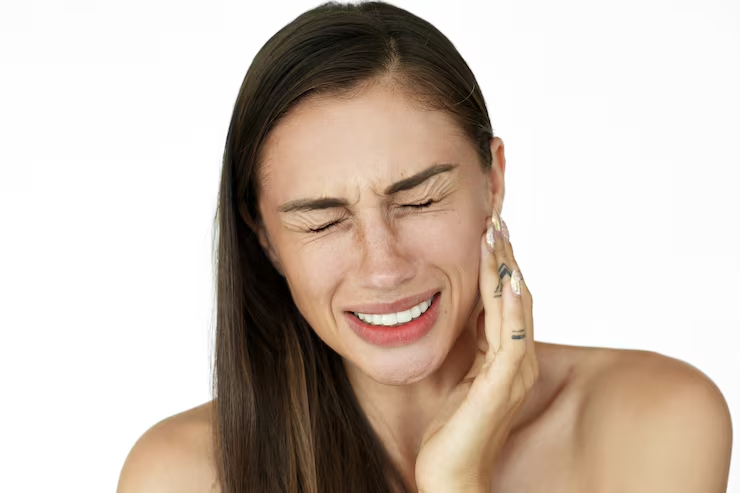
Explore personalized care for TMJ-related jaw pain at Lips & Lines+ in Toronto. Our nurse practitioner-led clinic offers assessments to determine whether Botox® may help manage muscle-related jaw tension and discomfort.
Botox temporarily reduces activity in selected jaw muscles and may help some patients whose symptoms have persisted despite conservative treatment. Botox for temporomandibular disorders is an off-label use in Canada.
Your consultation includes an assessment of your symptoms, jaw function, medical history, and previous treatments. We will discuss potential benefits, risks, and alternatives, including whether dental assessment, physiotherapy, or specialist care is appropriate.
Botox® for TMJ: Frequently Asked Questions
What is TMJ?
TMJ stands for temporomandibular joint, which connects your lower jaw to your skull. Problems affecting this joint or the surrounding muscles are called temporomandibular disorders, or TMD, although they are commonly referred to as “TMJ.”
What symptoms can TMJ disorders cause?
Symptoms may include jaw pain, muscle tenderness, stiffness, painful clicking, and difficulty opening your mouth or chewing. Clicking without pain is common and does not necessarily require treatment.
How can Botox® help with TMJ symptoms?
Botox® temporarily reduces muscle contraction and may ease discomfort associated with overactive jaw muscles.
Who may be suitable for treatment?
Botox® may be considered for selected patients with persistent muscle-related jaw pain that has not improved with conservative care.
Where are the injections given?
Treatment typically targets selected chewing muscles, such as the masseters at the sides of the jaw and, when appropriate, the temporalis muscles near the temples.
When will I notice results?
Muscle relaxation usually begins within several days and develops over approximately two weeks. Pain relief may take longer, and not everyone experiences improvement.
How long does Botox® for TMJ last?
The muscle-relaxing effect generally lasts around three-six months.
Will Botox® cure my TMJ disorder?
No. Botox® may temporarily help selected muscle-related symptoms, but it is not a cure.
Can treatment affect chewing or facial appearance?
Temporary chewing weakness or fatigue can occur. Treatment may also reduce jaw-muscle size and change the lower-face contour. Your provider will discuss these possibilities before treatment.
What are the possible side effects?
Side effects can include bruising, tenderness, muscle weakness, and rarely smile asymmetry.
Is Botox® for TMJ covered by insurance?
Coverage varies and may be limited because this is an off-label use.

Not sure where to start?
Book a consult to create a personalized cosmetic, medical or wellness journey with us.